Expert Tips for Maintaining Your Vehicle's Health


Regular Maintenance is Key
Maintaining your vehicle's health is crucial for ensuring its longevity and your safety on the road. Regular maintenance helps prevent unexpected breakdowns and costly repairs. A well-maintained car also performs better, providing you with a smoother and more efficient driving experience.
Start by following the manufacturer's recommended maintenance schedule. This schedule usually includes oil changes, tire rotations, brake inspections, and other essential services. Sticking to this schedule can significantly enhance your vehicle's performance and lifespan.
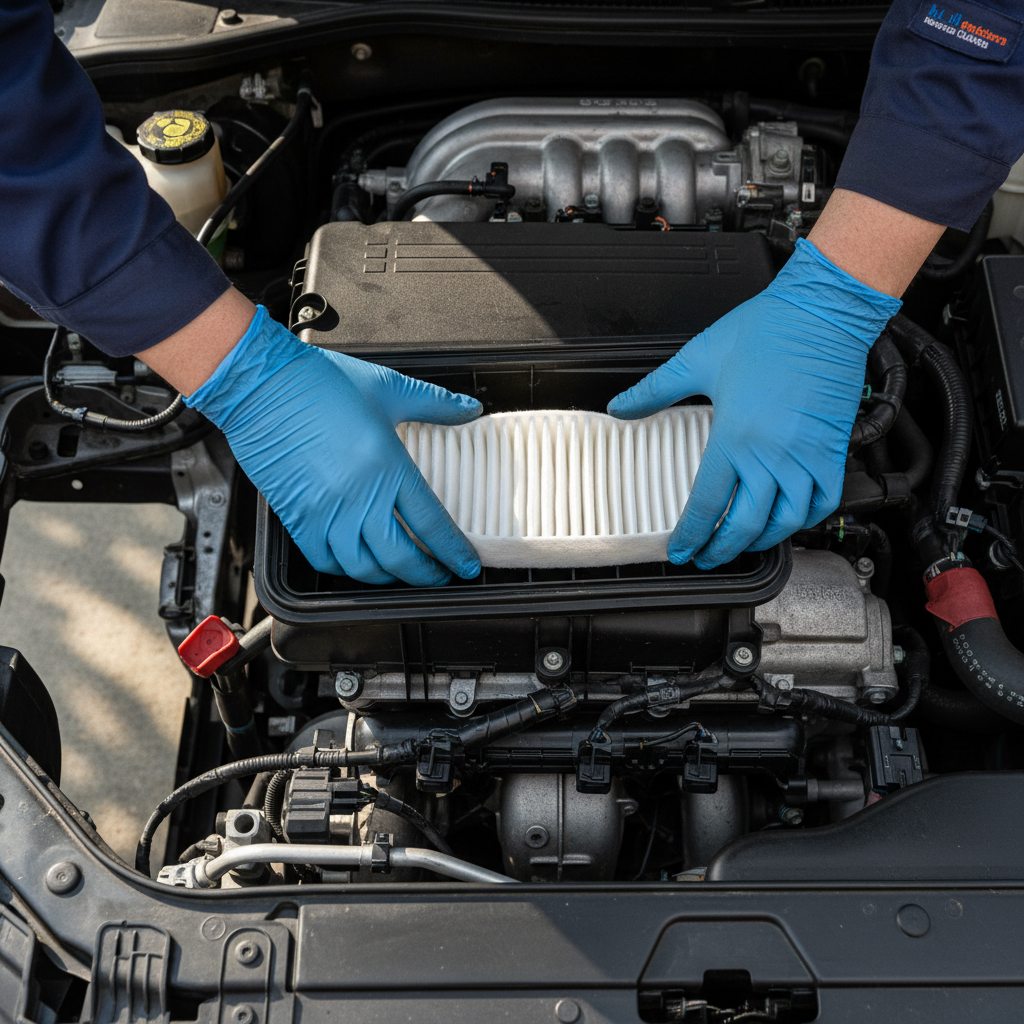
Check and Change Oil Regularly
Oil is the lifeblood of your vehicle. It lubricates the engine's moving parts, reducing friction and preventing overheating. Regularly checking and changing your oil is one of the simplest yet most effective ways to maintain your vehicle's health.
Most experts recommend changing the oil every 3,000 to 5,000 miles, but always refer to your owner's manual for the specific interval for your vehicle. Keeping your oil clean and at the right level ensures optimal engine performance and fuel efficiency.
Inspect Tires and Maintain Proper Pressure
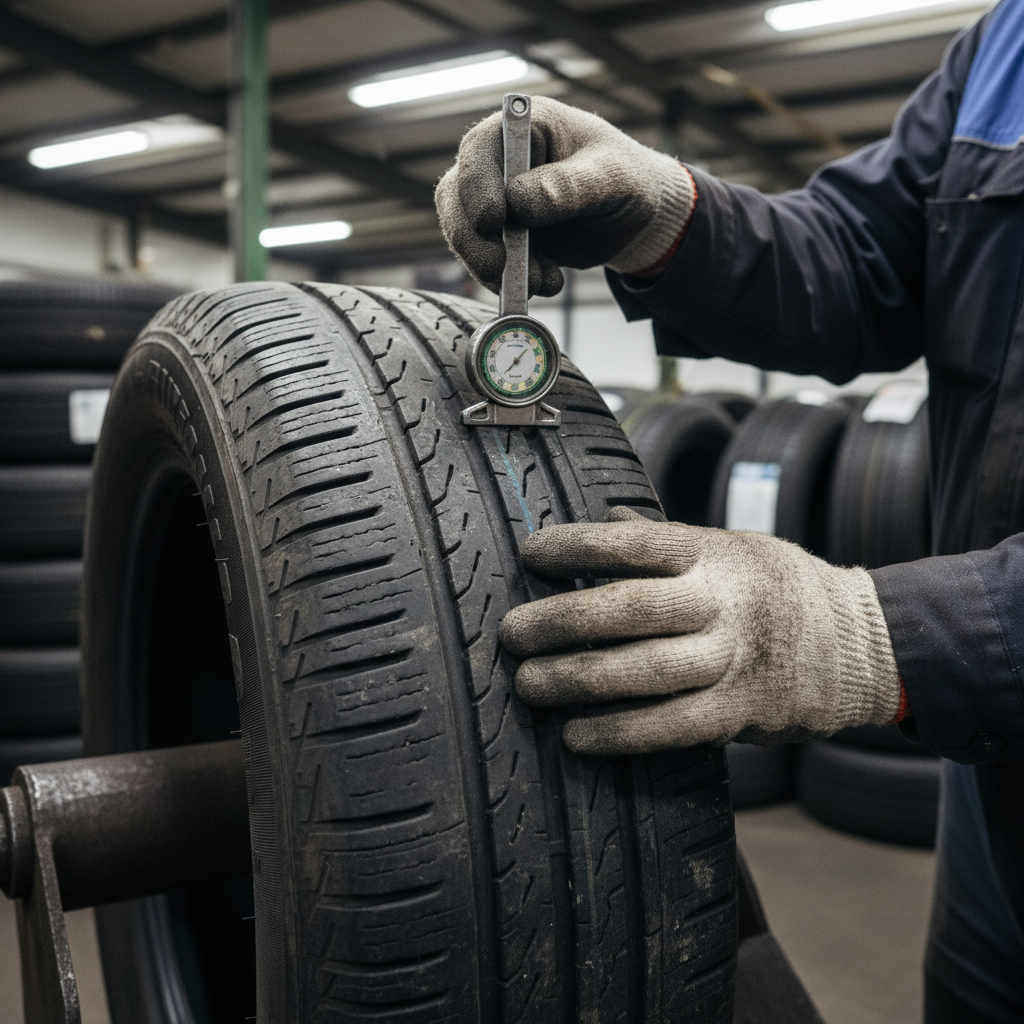
Your tires are your vehicle's only contact with the road, making their maintenance vital. Regularly inspect your tires for wear and tear, and ensure they are inflated to the recommended pressure. Properly inflated tires improve fuel efficiency, enhance handling, and reduce the risk of blowouts.
Additionally, rotating your tires every 6,000 to 8,000 miles helps ensure even wear, extending their lifespan. Don't forget to check the alignment and balance, as misalignment can lead to uneven tire wear and poor handling.
Keep an Eye on the Brakes
Brakes are a critical safety feature, and keeping them in top condition is non-negotiable. Listen for any unusual noises when braking, such as squeaking or grinding, which may indicate worn brake pads or other issues.
Regular brake inspections, ideally every 10,000 miles, can help identify problems early on. If you notice any changes in braking performance, such as a soft pedal or longer stopping distances, have your brakes checked immediately.
Monitor Fluid Levels
In addition to oil, your vehicle relies on several other fluids to function correctly, including coolant, transmission fluid, brake fluid, and windshield washer fluid. Regularly checking and topping off these fluids as needed can prevent potential problems.
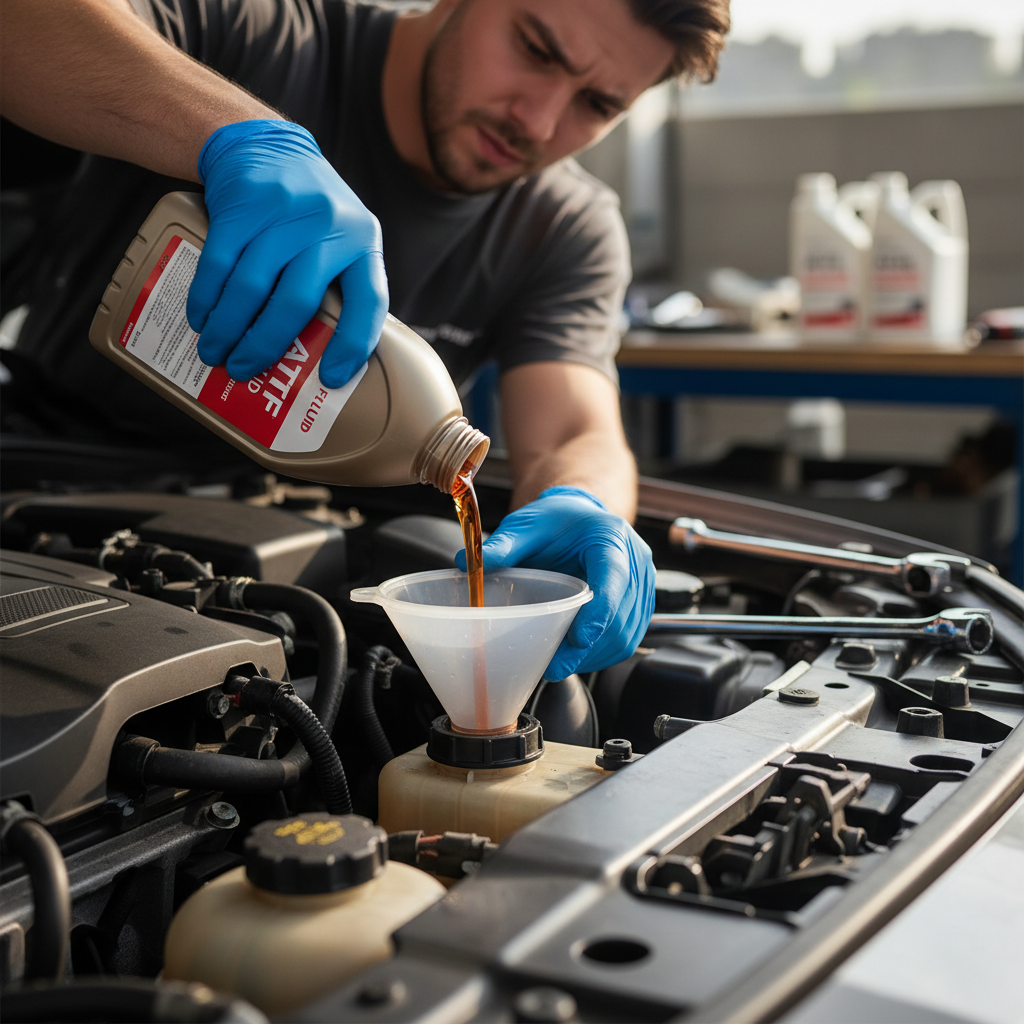
Each fluid plays a unique role in your vehicle's operation. For example, coolant helps regulate engine temperature, while brake fluid ensures your brakes respond effectively. Keeping these fluids at the proper levels is essential for maintaining your vehicle's health.
Conclusion
Maintaining your vehicle's health is not just about following a routine; it's about understanding your car's needs and addressing them promptly. By implementing these expert tips, you can keep your vehicle running smoothly and safely for years to come.
Regular maintenance not only saves money in the long run but also provides peace of mind, knowing your vehicle is in top condition. Stay proactive, and your car will thank you with reliable performance and longevity.