How to Conduct a DIY Car Inspection Before a Road Trip


Pre-Trip Car Inspection: A DIY Guide
Embarking on a road trip is an exciting adventure, but ensuring your vehicle is in top condition is crucial for a safe journey. Conducting a DIY car inspection can save you time and money while providing peace of mind. Here's how to get started.
Check the Fluids
Fluids are the lifeblood of your car. Begin by checking the engine oil level using the dipstick. Ensure the oil is at the recommended level and doesn't appear dirty. Next, inspect the coolant, brake fluid, power steering fluid, and windshield washer fluid, topping them up as needed.

Inspect the Tires
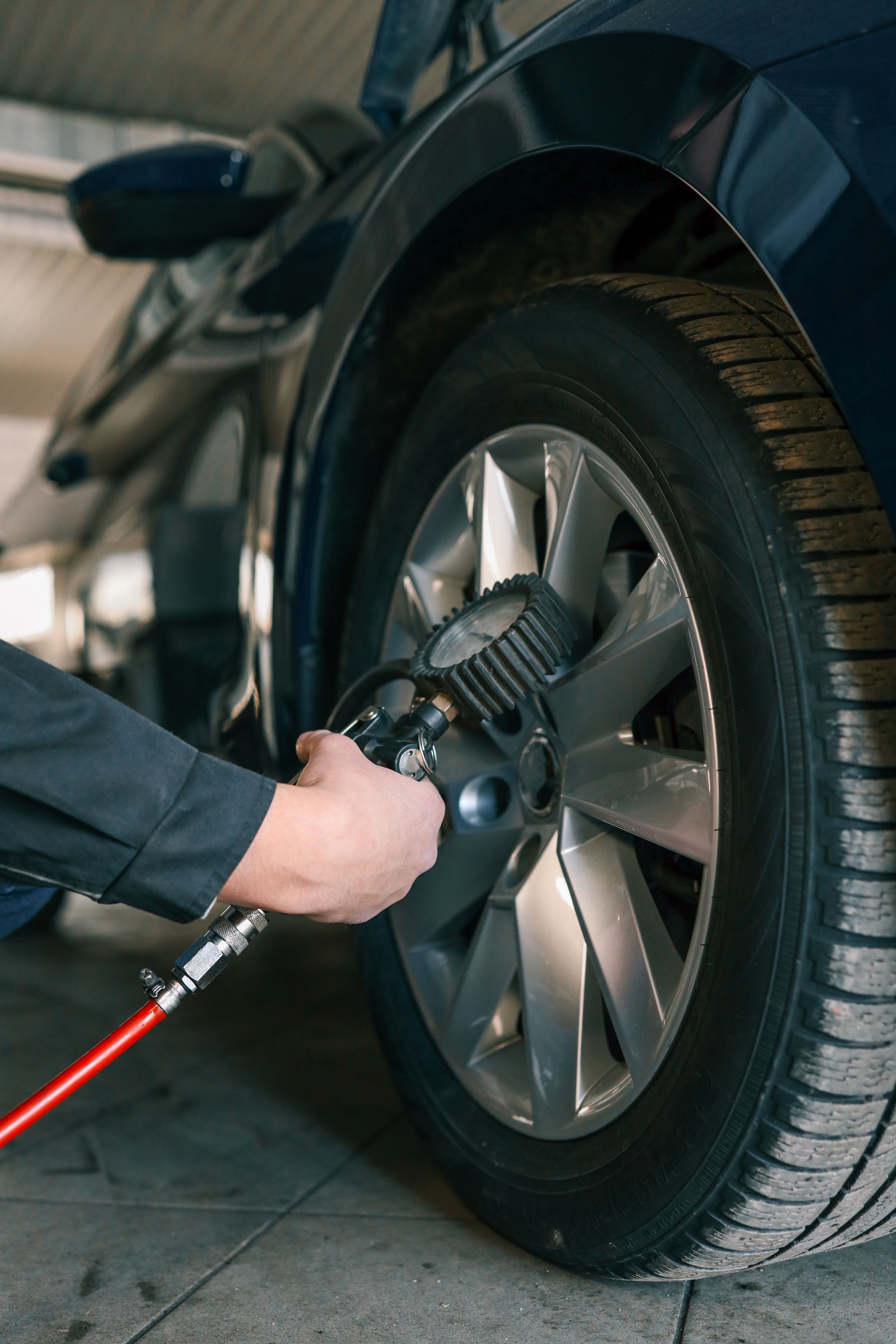
Your tires are the only contact between your car and the road, so their condition is critical. Check for proper inflation using a tire gauge and adjust according to the manufacturer's specifications. Examine the tread for uneven wear or damage and consider rotating or replacing tires if necessary.
Don't forget to inspect the spare tire and ensure you have all the necessary tools to change a tire if needed. This includes a jack, lug wrench, and any locking lug nut keys.
Test the Lights and Signals
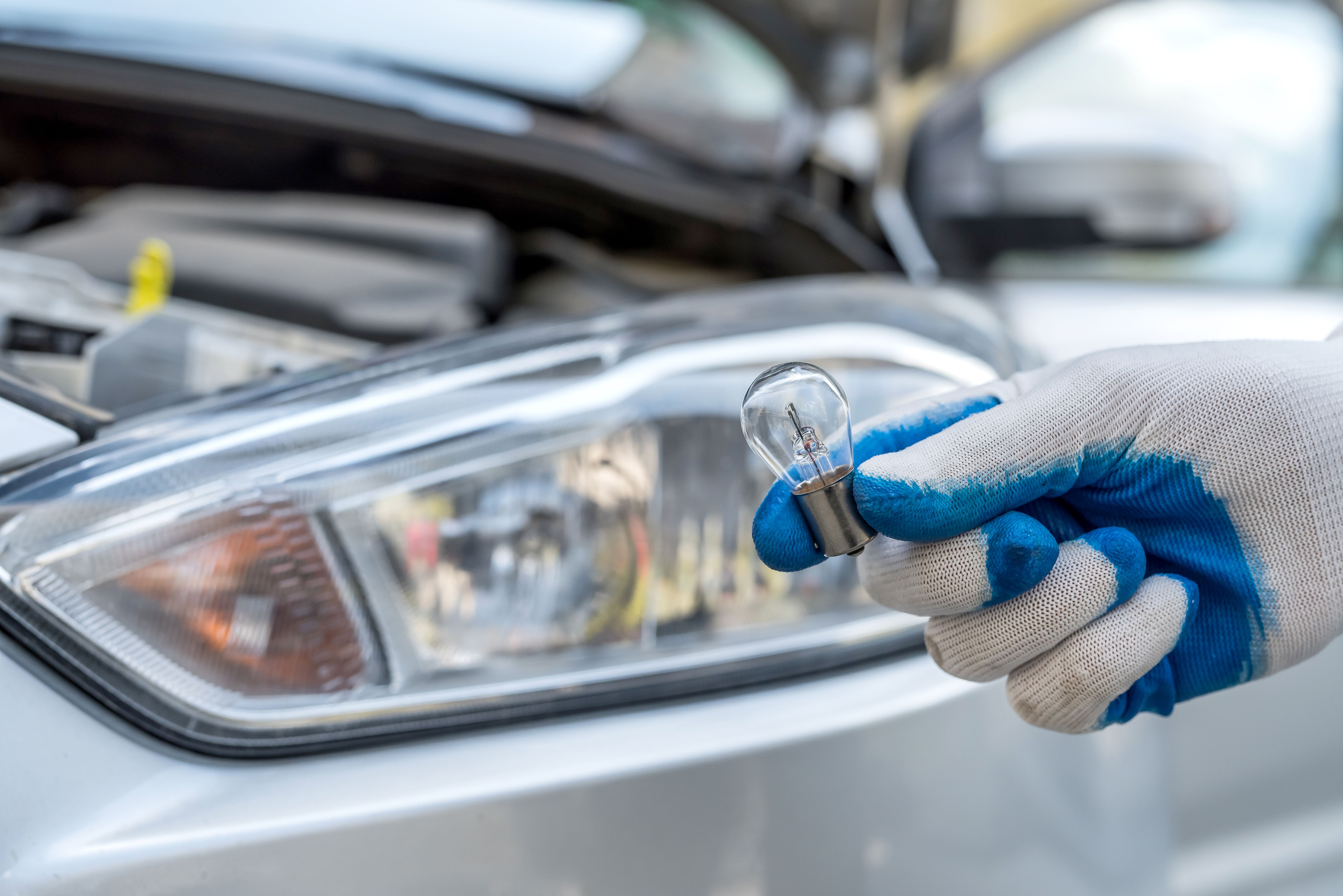
Properly functioning lights and signals are essential for safety. Test all exterior lights, including headlights, taillights, brake lights, and turn signals. Replace any burnt-out bulbs and clean dirty lenses to ensure maximum visibility.
Check the interior lights and indicators on the dashboard to ensure they are functioning correctly. This is crucial for monitoring your vehicle's health while on the road.
Examine the Brakes
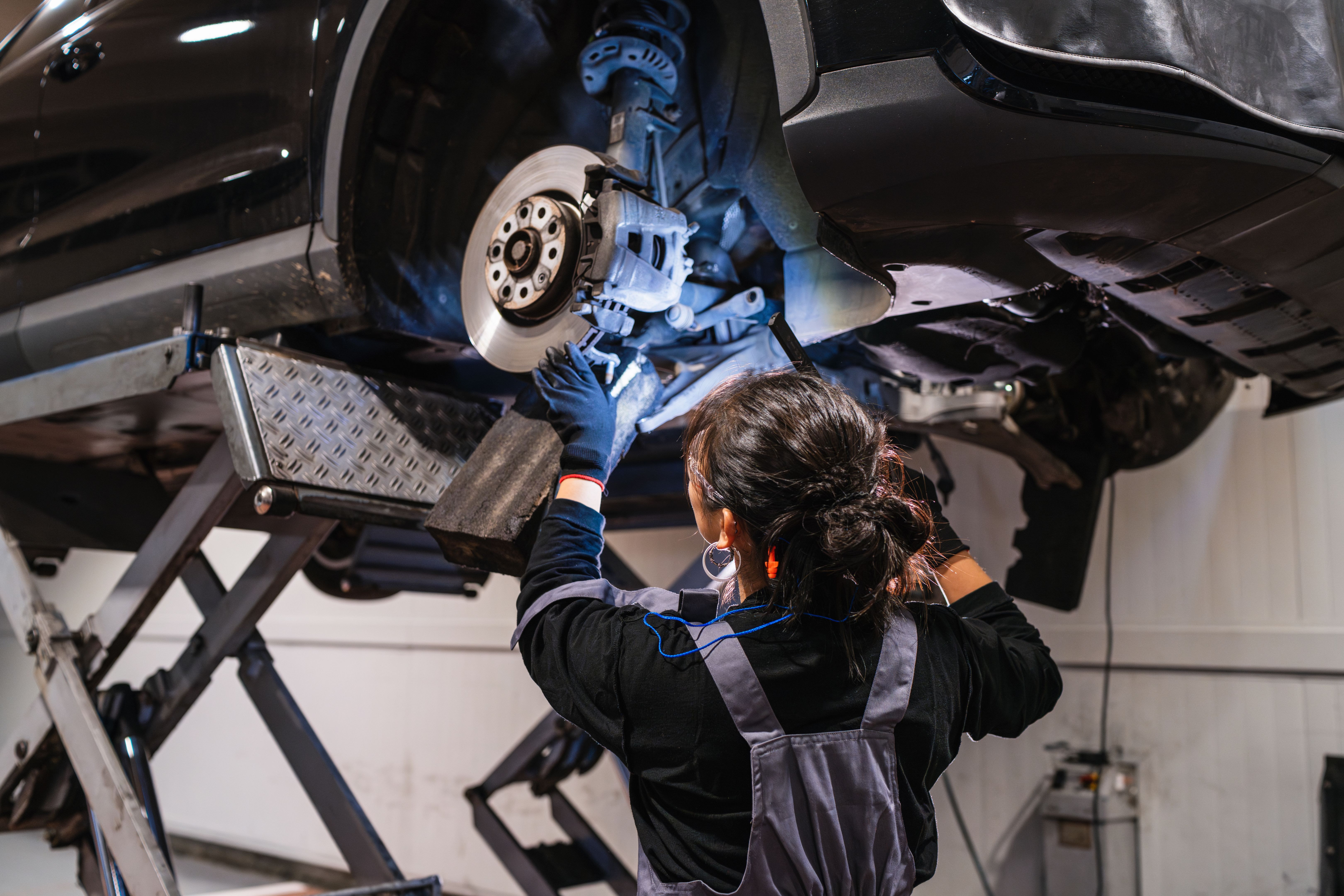
Brakes are vital for safety, so it's essential to ensure they're in good working order. Listen for any unusual noises when braking and test the pedal for firmness. If you notice any issues, such as squeaking or grinding, consider having a professional mechanic inspect them further.
Also, check the brake fluid level and ensure there are no leaks in the system. A well-maintained brake system can make a significant difference in emergency situations.
Assess the Battery
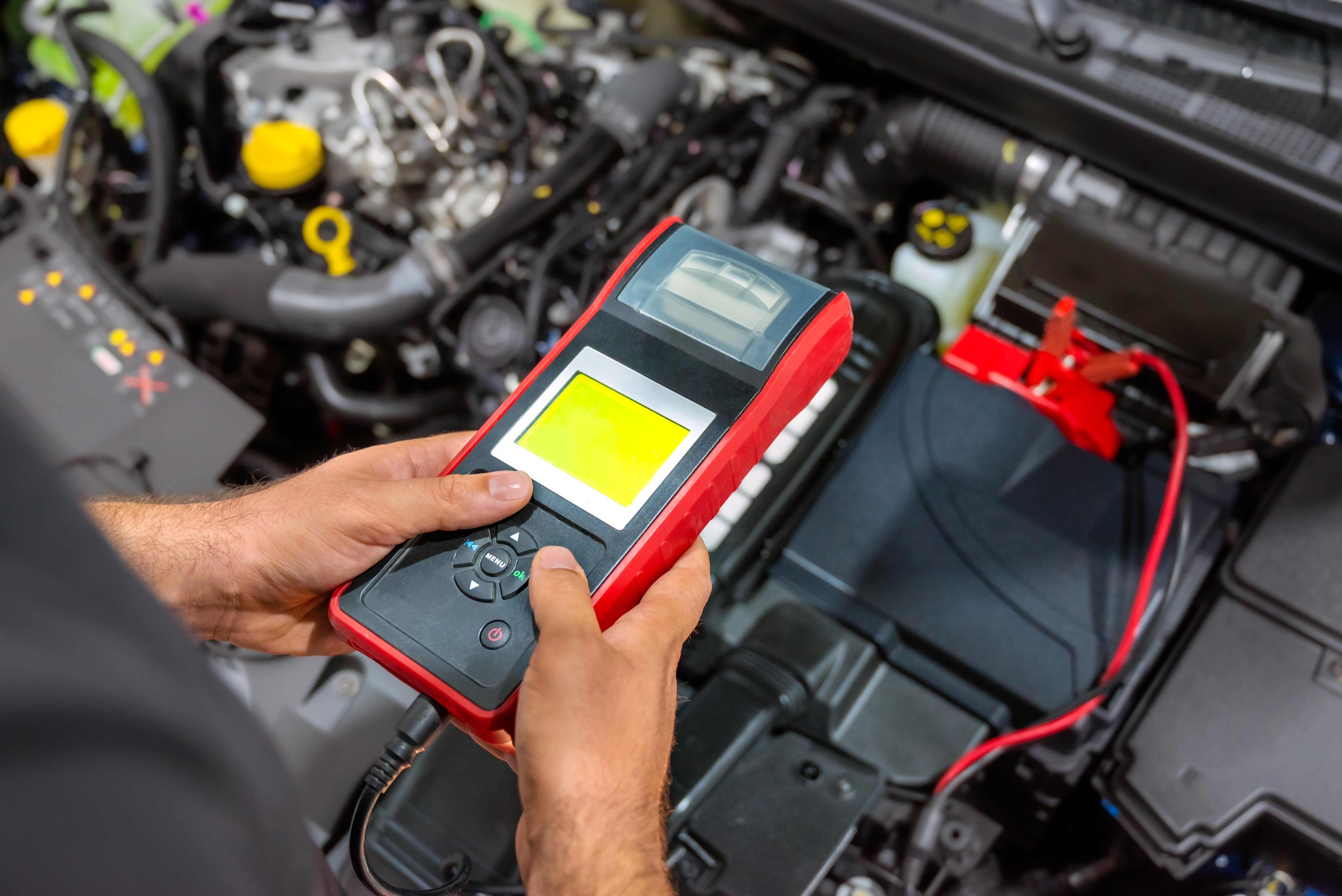
A dead battery can quickly derail your road trip plans. Check the battery terminals for corrosion and ensure they are securely connected. If your battery is over three years old, consider having it tested or replaced to avoid unexpected issues.
Keep jumper cables in your vehicle as a precautionary measure. Knowing how to use them can save you from being stranded if your battery fails.
Final Preparations
Once you've completed the inspection, pack an emergency kit with essentials such as a first-aid kit, flashlight, water, and non-perishable snacks. It's also wise to have a basic toolkit and roadside assistance contact information handy.
By taking the time to conduct a thorough DIY car inspection, you're setting the stage for a smooth and enjoyable road trip. Safe travels!