Understanding Car Diagnostics in Famagusta: A Step-by-Step Guide


When it comes to maintaining your vehicle, understanding car diagnostics can save you both time and money. In Famagusta, where vehicles are a primary mode of transportation, knowing what’s happening under the hood is essential. This guide will walk you through the basics of car diagnostics and how they can help keep your vehicle running smoothly.
What is Car Diagnostics?
Car diagnostics involve using specialized tools and software to identify issues within your vehicle. Modern cars are equipped with numerous sensors that monitor various systems, such as the engine, brakes, and transmission. When something goes wrong, these sensors trigger a warning light on the dashboard.
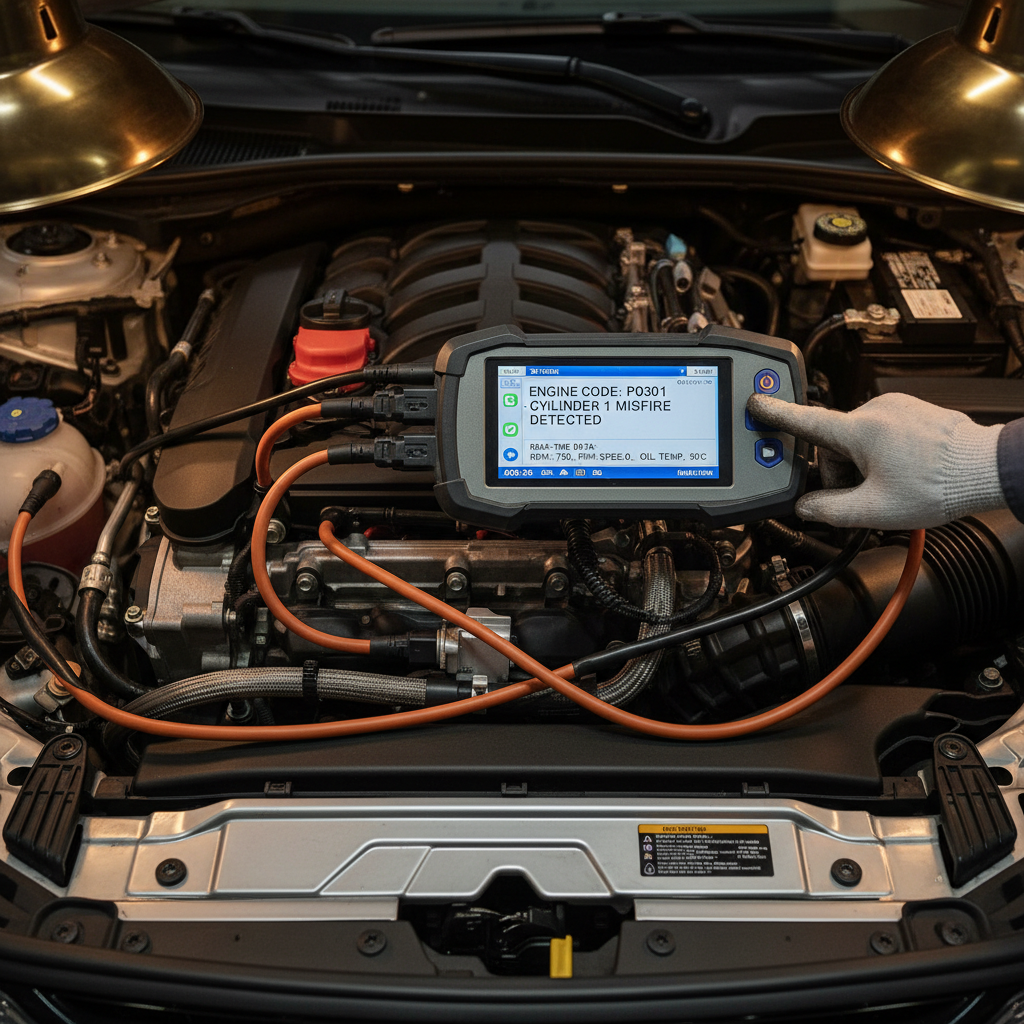
The Importance of Regular Diagnostics
Regular diagnostics can help detect problems early, preventing costly repairs down the line. By understanding the error codes and warning lights, you can address minor issues before they escalate. This proactive approach not only extends the life of your car but also ensures safety on the road.
How Car Diagnostics Work
Car diagnostics rely on an onboard diagnostic system (OBD) that communicates with a diagnostic tool. When you connect a diagnostic scanner to your vehicle’s OBD port, it reads the error codes stored in the system. These codes provide insights into specific issues affecting your car.
Steps to Perform a Diagnostic Test
- Locate the OBD port, typically found beneath the dashboard.
- Connect the diagnostic scanner to the OBD port.
- Turn on the ignition and wait for the scanner to communicate with the car’s system.
- Read the error codes displayed on the scanner.
- Interpret the codes using the scanner’s manual or online resources.
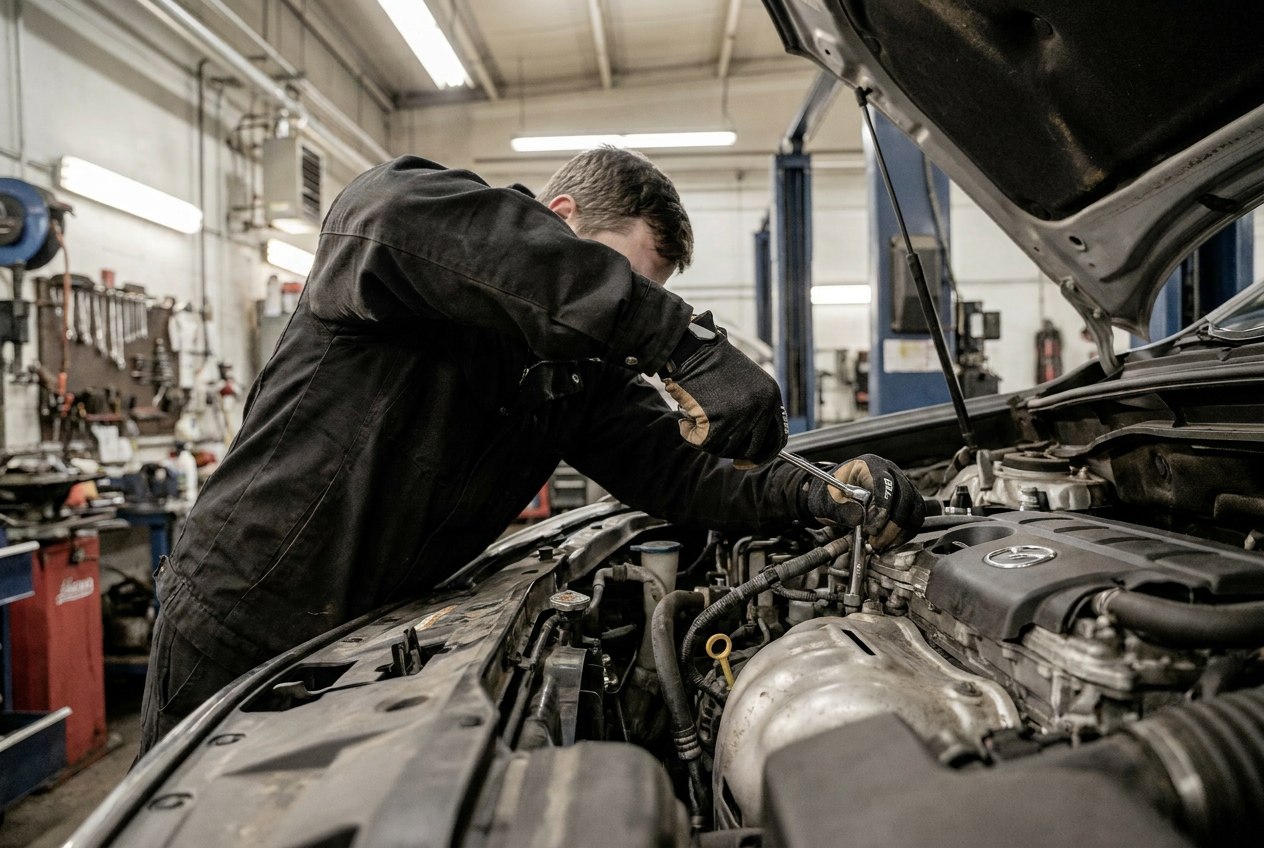
Common Diagnostic Tools
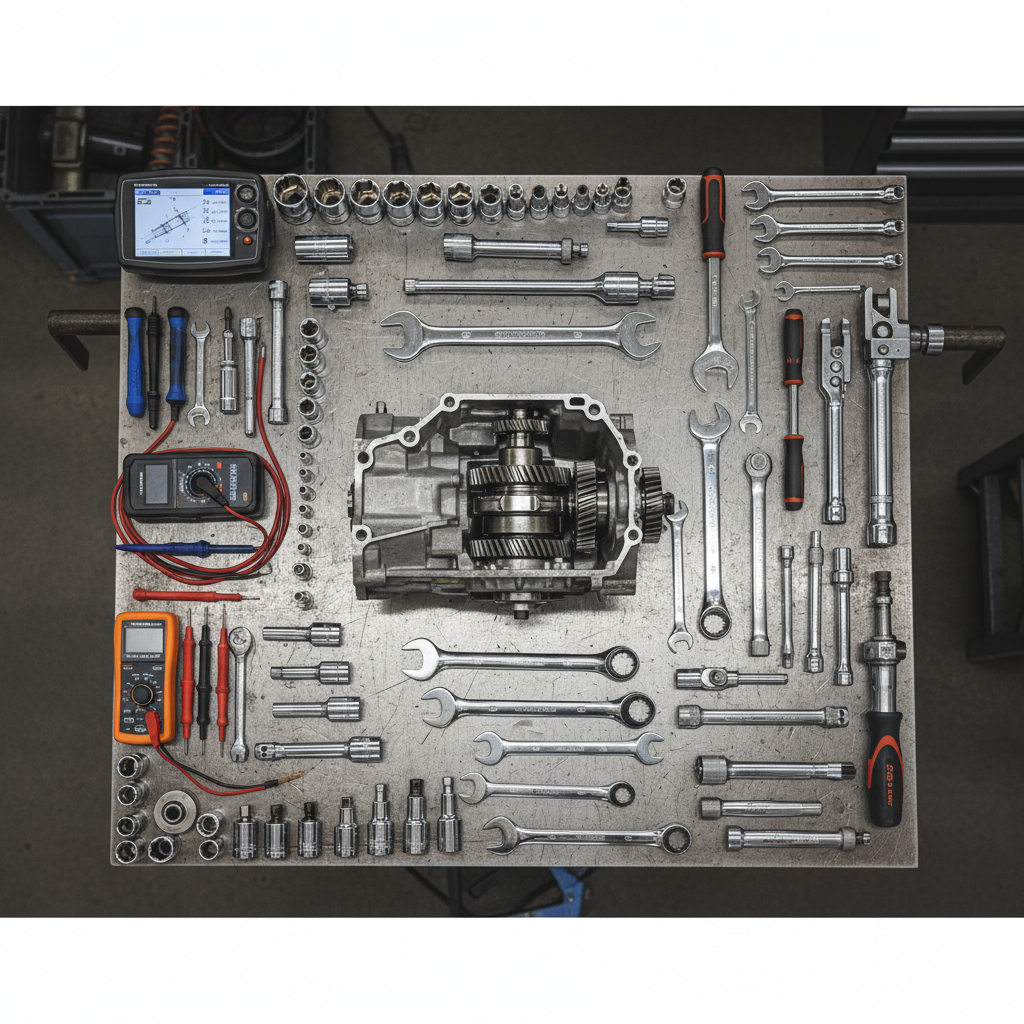
There are various diagnostic tools available, ranging from basic code readers to advanced scanners. Basic code readers are affordable and user-friendly, making them ideal for beginners. Advanced scanners, on the other hand, offer more detailed information and are often used by professionals.
Choosing the Right Tool
When selecting a diagnostic tool, consider your level of expertise and the complexity of the issues you want to address. For most car owners, a basic code reader suffices for routine checks. However, if you have experience or plan to perform more in-depth diagnostics, investing in a professional-grade scanner might be worthwhile.
Understanding Error Codes
Error codes are usually alphanumeric and correspond to specific issues. For instance, a P0300 code indicates a random misfire, while a P0171 code suggests a lean fuel mixture. Understanding these codes can help you decide whether to fix the problem yourself or consult a professional mechanic.
When to Seek Professional Help
While many issues can be resolved with basic knowledge and tools, some problems require professional expertise. If the diagnostic codes point to complex issues like transmission or electronic failures, it’s best to consult a certified mechanic in Famagusta.
By embracing regular car diagnostics, you not only enhance your vehicle's performance but also ensure a longer lifespan and safer driving experience. Whether you're a seasoned driver or a new car owner in Famagusta, understanding diagnostics is an invaluable skill.